How to Start Your Trading Card Collection Today
Starting a trading card collection can be an exciting and rewarding hobby. Whether you are drawn to the nostalgia of childhood favorites or the thrill of investing in rare cards, building a collection can be both fun and fulfilling. In this guide, we will explore the essential steps to kickstart your trading card collection, from understanding different types of cards to tips on how to store and display your collection effectively.
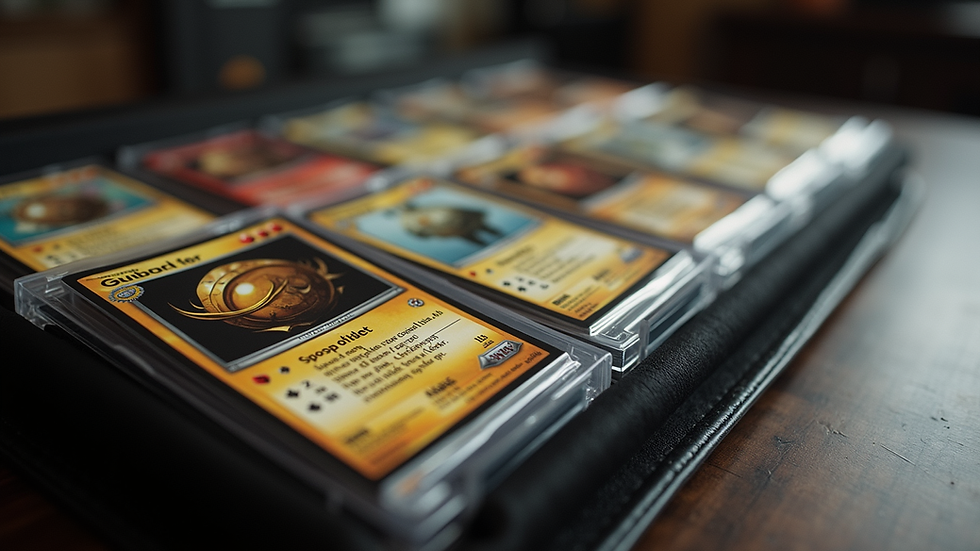
Understanding Trading Cards
Trading cards come in various forms, including sports cards, collectible card games (CCGs), and non-sport cards. Each type has its unique appeal and market dynamics.
Types of Trading Cards
Sports Cards
These cards feature athletes from various sports, including baseball, basketball, football, and hockey. They often include player statistics, team logos, and images. Some popular brands include Topps, Panini, and Upper Deck.
Collectible Card Games (CCGs)
CCGs like Magic: The Gathering and Pokémon have dedicated fan bases. Players collect cards to build decks for gameplay, making certain cards more valuable due to their rarity and utility in competitive play.
Non-Sport Cards
These cards can feature anything from movie characters to historical figures. Popular examples include Star Wars cards and Marvel superhero cards. They often appeal to fans of specific franchises.
Why Start a Collection?
Starting a trading card collection can offer several benefits:
Nostalgia: Many collectors enjoy revisiting their childhood favorites.
Investment: Rare cards can appreciate significantly in value over time.
Community: Collecting can connect you with like-minded individuals through clubs, online forums, and events.
Setting Your Goals
Before diving into collecting, it’s essential to define your goals. Are you collecting for fun, investment, or both? Understanding your motivation will help guide your decisions.
Fun Collecting
If your primary goal is enjoyment, focus on cards that resonate with you personally. This could mean collecting your favorite players, teams, or franchises.
Investment Collecting
If you’re looking to invest, research market trends and focus on cards that have shown consistent appreciation. Look for limited editions, autographed cards, or rookie cards, as these often hold higher value.
Researching the Market
Once you’ve set your goals, it’s time to research the trading card market. Understanding the value of cards and trends can help you make informed decisions.
Resources for Research
Price Guides: Websites like Beckett and TCGPlayer provide pricing information and market trends.
Online Marketplaces: Platforms like eBay can give you insights into current selling prices and demand.
Forums and Communities: Engaging with other collectors can provide valuable tips and insights.
Starting Your Collection
Now that you have a solid understanding of trading cards and your goals, it’s time to start building your collection.
Where to Buy Cards
Local Card Shops
Visiting local card shops can be a great way to find cards and meet fellow collectors. Shop owners can provide valuable insights and recommendations.
Online Retailers
Websites like Amazon and eBay offer a vast selection of cards. Be sure to check seller ratings and reviews to ensure you’re buying from reputable sources.
Card Shows and Conventions
Attending card shows can provide opportunities to buy, sell, and trade cards. You can also meet other collectors and learn more about the hobby.
What to Buy
When starting your collection, consider focusing on specific themes or sets. This could include:
Player Collections: Focus on a specific athlete or team.
Set Completion: Aim to complete a particular set from a specific year or brand.
Rookie Cards: Collecting rookie cards of promising players can be a smart investment strategy.
Storing and Protecting Your Cards
Proper storage is crucial to maintaining the condition and value of your trading cards. Here are some tips to keep your collection safe:
Card Sleeves and Toploaders
Using protective sleeves and toploaders can help prevent damage from dust, moisture, and handling.
Penny Sleeves: These are thin plastic sleeves that provide basic protection.
Toploaders: Rigid plastic holders that offer more protection for valuable cards.
Storage Solutions
Consider investing in a dedicated storage box or binder for your collection. Organizing your cards by type, player, or set can make it easier to find specific cards when needed.
Displaying Your Collection
Once you’ve built a collection, you may want to display it. Here are some ideas for showcasing your cards:
Display Cases
Investing in a display case can protect your cards while allowing you to show them off. Look for cases that offer UV protection to prevent fading.
Framing
For particularly valuable or sentimental cards, consider framing them. This not only protects the card but also turns it into a piece of art.
Engaging with the Community
Connecting with other collectors can enhance your experience. Here are some ways to engage with the trading card community:
Online Forums and Social Media
Join online forums or social media groups dedicated to trading cards. These platforms can provide valuable insights, trading opportunities, and a sense of community.
Local Clubs and Events
Look for local card clubs or events in your area. Participating in these gatherings can help you meet fellow collectors and share your passion.
Keeping Up with Trends
The trading card market is constantly evolving. Staying informed about trends can help you make better decisions for your collection.
Follow Industry News
Subscribe to newsletters or follow websites that cover trading card news. This can help you stay updated on new releases, market trends, and upcoming events.
Attend Trade Shows
Participating in trade shows can provide insights into the latest trends and allow you to network with other collectors and industry professionals.
Conclusion
Starting a trading card collection can be a rewarding journey filled with excitement and discovery. By understanding the different types of cards, setting clear goals, and engaging with the community, you can build a collection that reflects your interests and passions. Remember to stay informed about market trends and take good care of your cards to ensure they retain their value.
Now that you have the tools and knowledge to begin your collection, it’s time to take the first step. Visit a local card shop, browse online marketplaces, or connect with fellow collectors. Happy collecting!


Comments